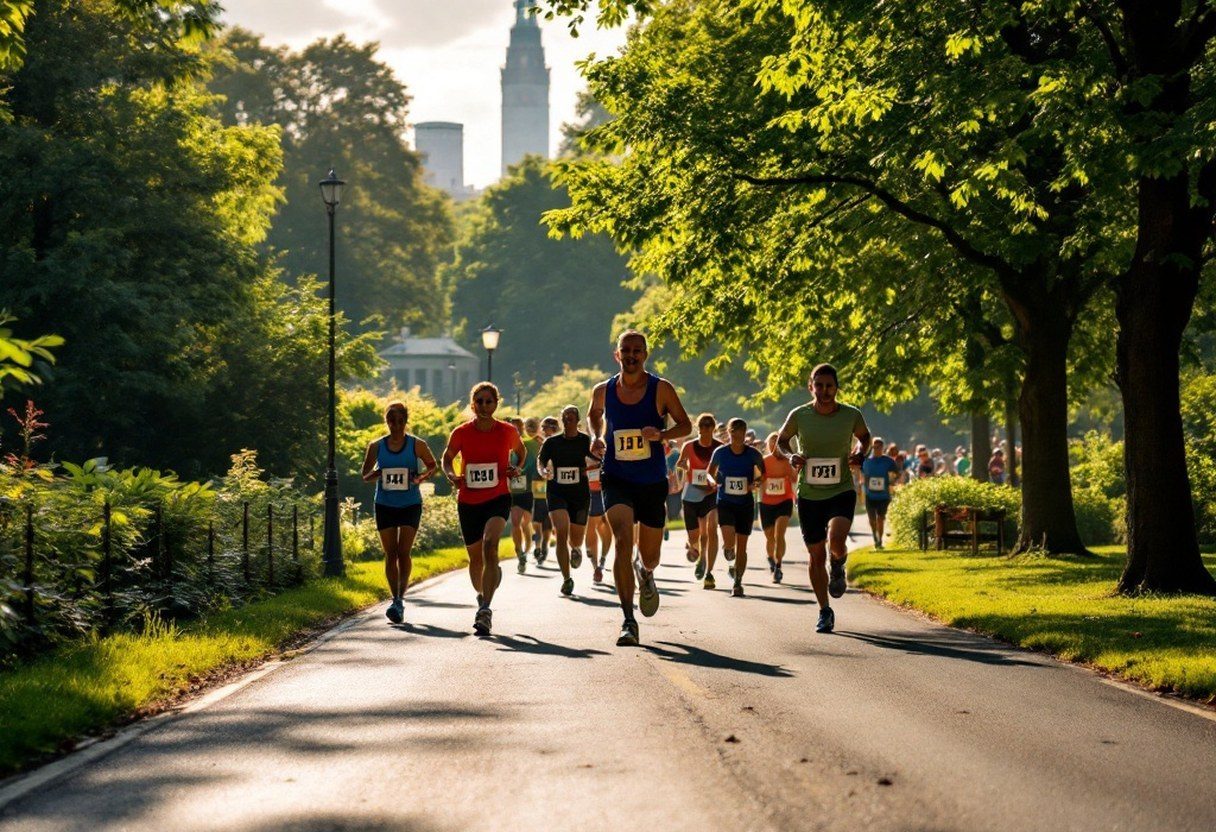
One of Running's Six Majors
The Chicago Marathon ranks among the most prestigious road races on the planet — one of six World Marathon Majors alongside Boston, London, New York, Berlin, and Tokyo. Held each autumn in Chicago, the race caps participation at 45,000 runners, with official timing reserved for those who finish within six and a half hours.
The modern event dates to 1977, though Chicago's marathon tradition stretches back to 1905. By its 41st edition it had grown into a genuinely global spectacle.
The Elite Field
The men's race centered on a headline rivalry: defending champion Galen Rupp, who the previous year had become the first American winner in over a decade, against four-time Olympic gold medalist Sir Mo Farah of Great Britain. Farah held a 21–1 head-to-head advantage and entered as the favorite; Rupp, the crowd's choice, was chasing a national record. Kenyan great Geoffrey Kirui and Ethiopia's Mosinet Geremew rounded out a deep men's field.
The women's lineup was equally formidable. Two-time champion Florence Kiplagat and Kenya's Brigid Kosgei led a group that included three athletes with sub-2:20 credentials. Olympic triathlon champion Gwen Jorgensen made her marathon debut, adding another storyline to an already compelling day.
Results
Farah won the men's race; Rupp finished fifth, to the disappointment of the home crowd. Geremew took second and Japan's Suguru Osaka claimed a surprise third. Rupp's fifth-place finish was a disappointment for the home crowd, who had hoped for a repeat win.
Kosgei claimed the women's title, breaking the 2:19 barrier — a mark only eight women in history had previously cleared. Roza Dereje finished second and Shure Demise third. Jorgensen's debut did not go to plan.
The course — starting and finishing in Grant Park on Columbus Drive — delivered another landmark chapter in Chicago's long running history.