When the Climate Threatens the Race
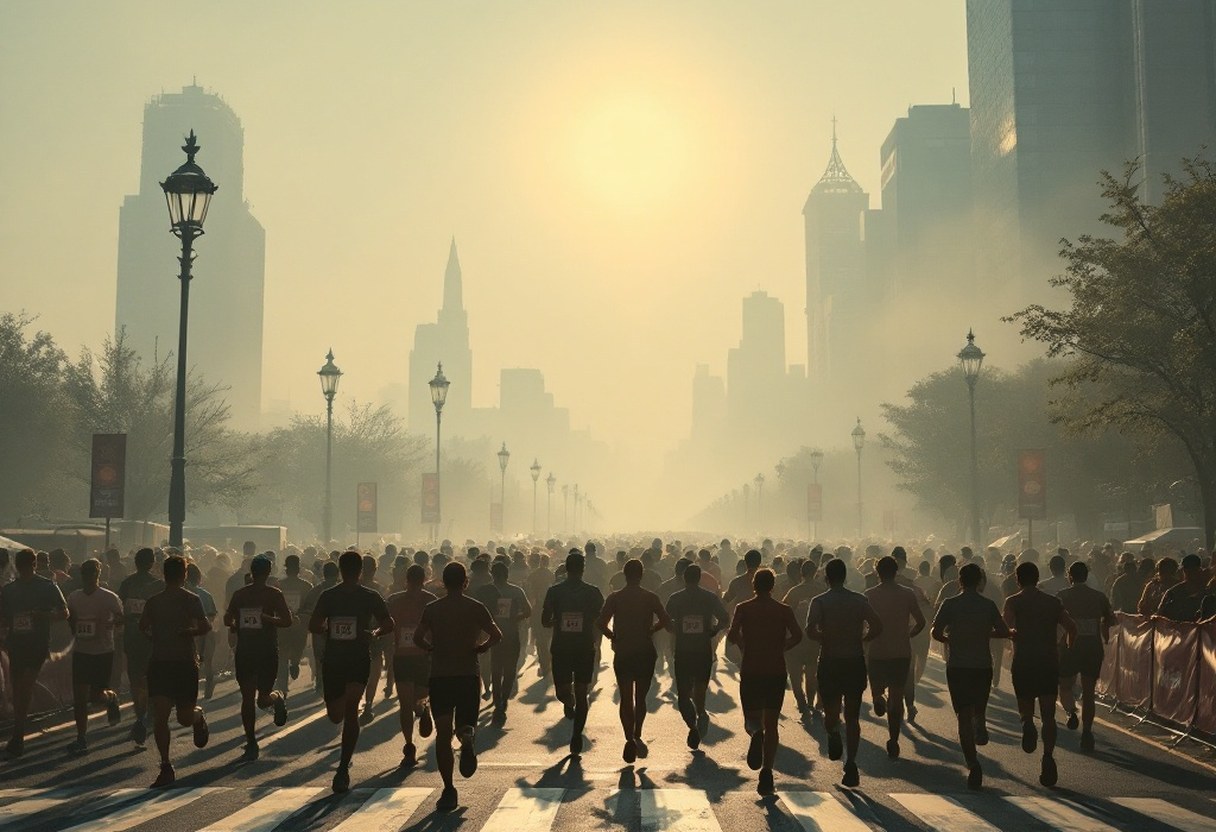
Marathons are supposed to celebrate human endurance. Increasingly, the climate is testing that endurance before the starting gun even fires. When smog blanketed New Delhi ahead of its annual half-marathon, environmentalists and health professionals questioned whether the race should go ahead at all. It did — but the episode was a warning shot.
If local pollution can trigger that debate, what does accelerating global warming mean for long-distance running worldwide?
Heat Changes Everything
The consequences ripple outward in several directions:
- Erratic scheduling. Organisers rely on predictable seasonal windows — cool winters in hot regions, mild summers in cold ones. As weather patterns shift, choosing a safe race date becomes a gamble.
- Slower times, fewer records. Elite performance is acutely sensitive to temperature. Rising heat means personal bests become rarer and world records harder to chase.
- Event cancellation. The Chicago Marathon was halted mid-race when temperatures hit 88 °F — a cautionary precedent that organisers everywhere now study.
- Relocated races. Cities at higher latitudes or altitudes may become the new marathon capitals simply because they stay cooler longer.
- Adjusted records. Just as wind assistance is factored into field-event records, race-day temperature may eventually be weighed when marathon records are assessed.
- Gear and support changes. More hydration stations, electrolyte drinks, and cooling technology are already entering the sport; warmer conditions will accelerate that shift.
The Bigger Picture
Marathons have long served as platforms for raising awareness about important causes. Climate change may be the most urgent cause of all — and it is now reshaping the very events used to highlight it. The answer is not simply better jerseys or more water stops. It is collective action to slow warming before the sport — and much else besides — is forced into permanent retreat.